
Technical Literature
-
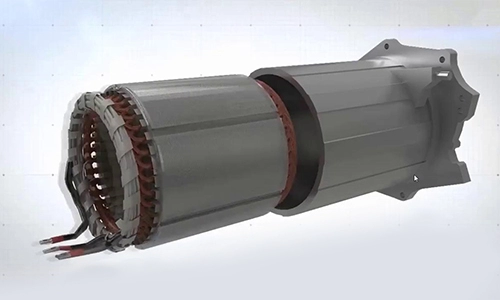
Electric drive system structure and principle
A rotating magnetic field is generated by connecting three-phase symmetrical alternating current to the three-phase windings of the motor stator. Based on the principle that opposite poles attract and like poles repel, regardless of the initial relative positions of...
-
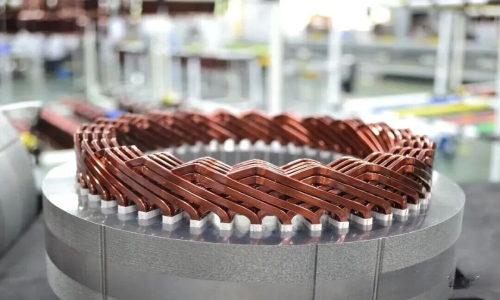
What are the advantages of flat wire motors compared to round wire motors?
As the name suggests, the biggest difference between flat wire motors and round wire motors is that they use a single flat wire instead of multiple strands of round wire. Furthermore, they utilize a unique winding and forming process, significantly improving their sl...
-

Working Principle and Application of Gearbox
The gearbox is an important part of the car. It helps the vehicle accelerate and decelerate smoothly by changing the speed and torque output by the engine. Manual transmissions rely on the driver to operate the clutch and shift lever to select gears, while automatic ...
-
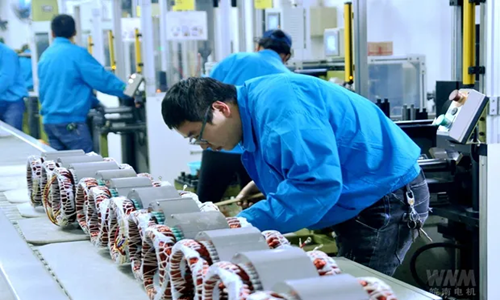
Sanci Complete motor assembly process
The document outlines Zhejiang Sanci Electric Motor's comprehensive motor assembly process, highlighting the company's role in advancing electric motor technology since its inclusion in China's 863 plan in 2003. It details the inspection, cleaning, winding, and assem...
-
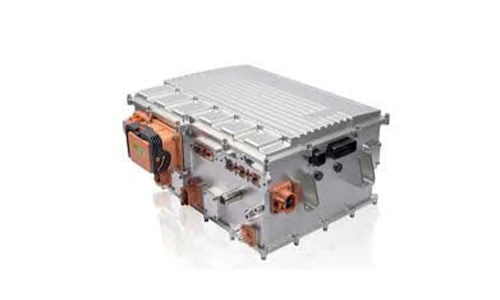
Controller Structure and Working Principle, as well as The Control Function of the Drive System
Structural composition: The motor controller structure is mainly composed of: interface circuit, control motherboard, IGBT module (drive), supercapacitor, discharge resistor, current sensor, shell water channel, etc. Hardware topology: It consists of three groups o...
-
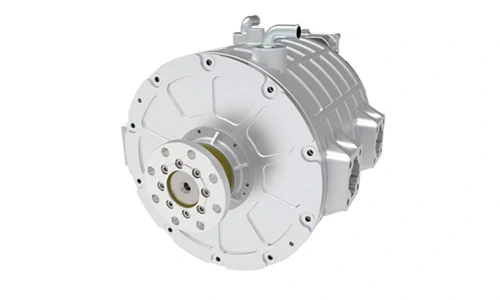
The Working Principle and Structure of The Motor and How to Select it
New energy vehicle drive motors generally include DC motors, asynchronous motors, permanent magnet synchronous motors and switched reluctance motors. Among them, DC motors are the simplest to control, but the product reliability is poor, and they are generally used i...

Sales Team DuraMac Manager-Mr.Leo DuraMac Sales Generator-SinoGen EV System-EVMac Parts-PartMac Sales Manager-Mrs.Wendy Fu Sales Director-Mr.Jasper Lee Shipping Service

Contact EMAC Now!